Introduction
Selecting the right colors for your home and its surrounding elements can be a challenging job. After all, the colors you choose not just show your individual style but likewise have a considerable influence on the general visual of your property. One area that frequently gets overlooked throughout this procedure is the fence. This post will delve into Color Matching Tips for Collaborating Your Home and Fence Colors, focusing on how to balance these essential parts of your outside space.
In specific, we'll explore Colorbond fencing, a popular option amongst homeowners for its toughness, visual appeal, and low maintenance. With a wide variety of colors offered in Colorbond Steel, there are unlimited possibilities for creating a distinctive and cohesive look for your property. So, get a cup of coffee, sit back, and let's start this colorful journey together!
Color Matching Tips for Collaborating Your Home and Fence Colors
When it concerns color matching, one must consider different aspects consisting of architectural style, landscaping, area aesthetic appeals, and individual choices. Here are some essential pointers to ensure you successfully collaborate your home's exterior with your fence:
1. Understand the Fundamentals of Color Theory
Before diving into particular color choices, it's essential to understand some fundamental concepts of color theory:
- Primary Colors: Red, blue, and yellow. Secondary Colors: Green, orange, and purple (produced by mixing primaries). Tertiary Colors: Mixes of primary and secondary colors.
Understanding these relationships can help you create unified or contrasting palettes that improve both your home and fence.
2. Think About Architectural Styles
Different architectural styles provide themselves to various color design:
- Traditional Homes: Frequently benefit from soft tones or timeless colors. Modern Designs: Can manage bolder shades or monochromatic schemes.
Understanding your home's architecture can assist you in choosing complementary colors.
3. Examine Your Surroundings
Take stock of your neighborhood before completing color choices. Colorbond fencing uses a variety of shades that can either blend in with or stick out from neighboring residential or commercial properties. A well-coordinated fence can enhance curb appeal while still feeling comfortable within its environment.
4. Explore Colorbond Fencing Options
With many alternatives readily available in Colorbond Steel-- from deep blues to earthy tones-- there's bound to be something that resonates with your vision. Consider the following when picking a Colorbond fence:
- Longevity Resistance to fading Maintenance requirements
5. Develop Visual Balance
Balance is essential when coordinating colors between your home and fence. For instance:
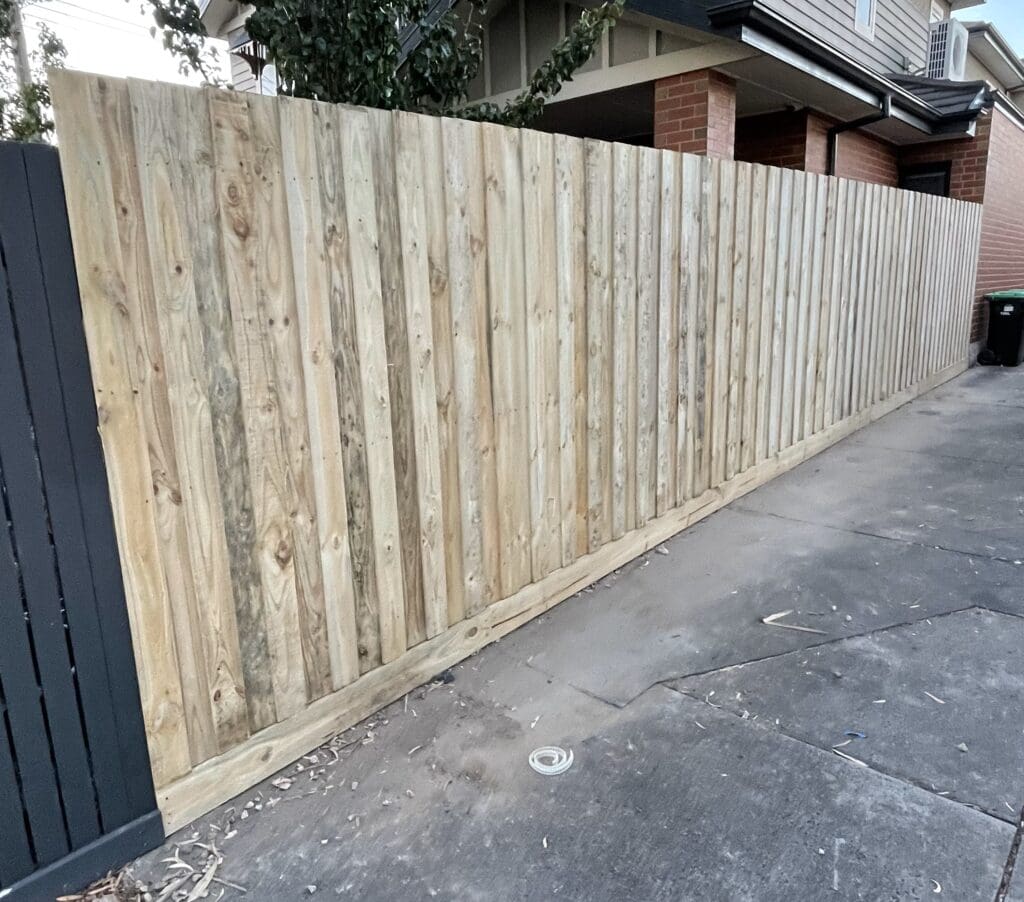
- If your home is painted in light neutral tones, opting for a darker Colorbond fence can develop contrast. Conversely, if your home has vibrant accents, a softer-colored fence may supply equilibrium.
6. Use Accent Colors Wisely
Accent colors from your home's palette can be used in smaller sized locations around the fence for cohesion; think of planting flowers or utilizing garden accessories that echo these hues.
Choosing Complementary Color Schemes
A well-thought-out color design can elevate the visual appeal of both your home and fence significantly.
7. Monochromatic Schemes
Monochromatic color design include utilizing variations (shades/tints) of a single color throughout both structures:
- Example: A light grey home paired with a slightly darker grey Colorbond fence produces sophistication.
8. Analogous Color Schemes
Analogous color pattern use adjacent colors on the color wheel:
- Example: A blue home with green accents might match beautifully with a teal Colorbond fence.
9. Complementary Color Schemes
Complementary colors are opposite each other on the color wheel:
- Example: A warm beige home would pop against a deep chocolate brown Colorbond fence.
Practical Actions for Implementation
Now that you have some ideas about colors let's take a look at useful actions you can take to bring them into reality.
10. Use Samples Wisely
Always demand samples from suppliers like Colorbond before making any decisions:
- Test paint swatches against actual samples of Colorbond Steel.
This will ensure you're pleased with how they look together in natural light.
11. Produce Mood Boards
Mood boards are wonderful tools to visualize how various components will look together:
Use Pinterest or physical boards. Include pictures of homes and fences you admire. Incorporate material examples or other products you're considering.This process assists clarify what feels best aesthetically.
The Role of Landscaping in Coordination
Don't forget that landscaping plays an important function when thinking about general aesthetics!
12. Integrate Natural Elements
Incorporate plant that matches both your home's paint task and fence color:
Plants should mirror or contrast selected hues. Think about seasonal changes; evergreens remain constant year-round!13. Develop Layers with Height Variation
Utilizing plants at various heights adds depth to both structures while boosting visual interest without overwhelming them.
FAQs
Q1: What is the very best way to match my home's exterior with my fence?
To match effectively, think about comprehending fundamental color theory while evaluating both architectural styles and environments before choosing complementary colors such as those https://outstandingfencing.com.au/colorbond-fencing/ offered through Colorbond fencing options.
Q2: How do I understand which Colorbond Steel shade will work best?
Evaluate samples versus existing structures before devoting; lighting conditions might impact appearance significantly!
Q3: Can I use multiple colors on my fence?
Absolutely! Simply guarantee consistency exists in between selected shades-- adopt techniques like monochromatic schemes where differing tones produce visual interest without clashing too much!
Q4: Should I consider my neighbors' fences when choosing my own?
Yes! Understanding what works well within context permits coordination while avoiding unpleasant clashes-- do not think twice to seek advice from area trends before deciding anything permanent!
Q5: How frequently need to I repaint my home or change my Colorbond fencing?
Generally speaking; repainting every 5-- ten years keeps things fresh depending upon wear-and-tear patterns seen locally-- Colorbond items generally need very little maintenance due extraordinary durability but examine regularly nonetheless!
Q6: Is it worth purchasing premium paint for my home?
Definitely! Greater quality paints tend towards durability compared lower grade choices-- specifically under harsh climate condition permitting enduring charm gradually saving cash long-term too!
Conclusion
Coordinating the colors of your home and fence does not require to be a frustrating undertaking! By welcoming principles from color theory through hands-on techniques like sample testing & & mood boards along with using resources such as Quality Colour Bond Fencing you'll discover limitless chances wait for simply beyond those gates! Remember-- a well-matched exterior not only enhances curb appeal but reflects who YOU really are as property owners making enduring impressions wherever visitors roam onto YOUR residential or commercial property! So get creative; let loose those creative spirits today; after all-- it's YOUR canvas!